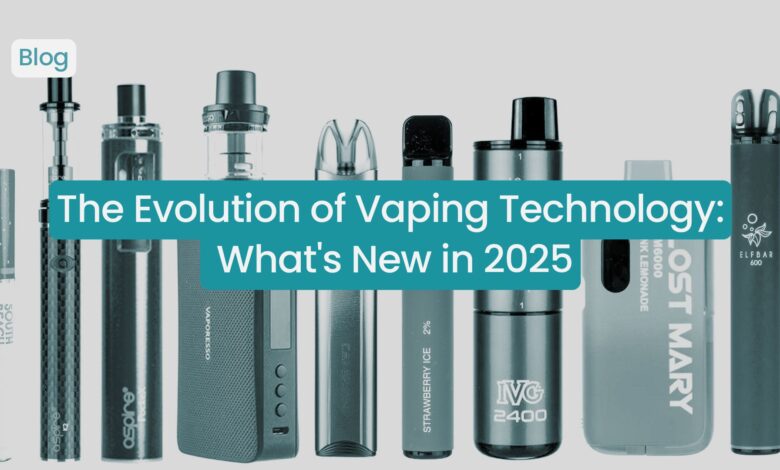
The vape industry in the United Kingdom has undergone a remarkable transformation over the last decade, and packaging design has evolved alongside it. What once relied on simple labels and functional containers has become a sophisticated exercise in branding, compliance, and consumer engagement. Products such as lost mary nera pods have become part of a wider conversation around how manufacturers use packaging to communicate identity, product information, and market positioning in an increasingly competitive landscape.
At the same time, products associated with categories such as r and m tornado vape, disposable vape collections, and pod-based systems have influenced broader packaging trends across the sector. The rise of minimalist branding, sustainable materials, and regulatory-focused layouts reflects a market that values both visual appeal and practical communication. These developments have shaped the modern expectations of retailers, distributors, and consumers throughout the UK market.
From Functional Containers to Brand Storytelling
In the early years of vaping in the UK, packaging served a straightforward purpose: protecting products during transportation and displaying essential information. Designs were often generic, featuring limited colour schemes and basic typography.
As competition increased, packaging evolved into an extension of brand identity. Manufacturers recognised that shelf presence could influence purchasing decisions just as strongly as product specifications. Colours became more distinctive, typography more deliberate, and visual consistency across product ranges became a priority.
This shift mirrored trends seen in other consumer industries, where packaging functions not only as protection but also as a communication tool that conveys quality, reliability, and innovation.
The Impact of Regulatory Standards on Design
One of the defining characteristics of the UK vape industry has been the influence of regulation on packaging development.
Compliance requirements have encouraged brands to adopt cleaner layouts that prioritise readability and transparency. Information such as ingredient lists, manufacturing details, age restrictions, and product specifications must be presented clearly and consistently.
Rather than limiting creativity, these requirements have pushed designers toward more refined approaches. Many successful packaging concepts now balance compliance with modern aesthetics, proving that regulation and visual appeal can coexist effectively.
Clear Information Hierarchies
Modern vape packaging often uses structured information hierarchies to improve user experience.
Manufacturers typically prioritise:
- Product type and compatibility
- Flavour identification
- Nicotine strength indicators
- Device specifications
- Safety and usage instructions
This organised presentation helps consumers quickly identify relevant information without overwhelming the design.
Minimalism Becomes the Dominant Trend
Minimalism has become one of the most influential design movements within UK vape packaging.
Earlier designs frequently relied on bold graphics and crowded visual elements. In contrast, contemporary packaging often embraces clean lines, neutral backgrounds, and restrained colour palettes.
Several factors contributed to this shift:
- Improved readability
- Stronger premium positioning
- Easier compliance with regulations
- Greater consistency across product ranges
Minimalist packaging also performs well in digital retail environments, where product images are viewed on mobile screens and online marketplaces.
The Role of Typography
Typography has emerged as a defining feature of modern vape packaging design.
Rather than depending solely on graphics, brands increasingly use carefully selected fonts and spacing to communicate their identity. Geometric typefaces often suggest innovation and technology, while softer fonts can create a more approachable appearance.
The strategic use of typography allows manufacturers to differentiate products while maintaining visual simplicity.
Sustainability Influences Packaging Decisions
Sustainability considerations have become increasingly important throughout the UK packaging sector, including vaping products.
Manufacturers are exploring alternatives to traditional materials by incorporating:
- Recyclable cardboard components
- Reduced plastic usage
- Water-based inks
- Compact packaging structures
- Simplified internal inserts
These changes not only reduce material consumption but also improve transportation efficiency by lowering shipping volume and weight.
Industry analysts have noted that sustainability initiatives are becoming a central component of packaging strategy rather than an optional addition. As environmental expectations continue to evolve, packaging innovation is likely to remain closely connected to material efficiency.
The Rise of Premium Packaging Experiences
As the market matured, brands began focusing on the unboxing experience as a differentiating factor.
Premium packaging now often includes:
- Magnetic closures
- Precision-cut inserts
- Textured finishes
- Embossed logos
- Matte surface treatments
These details contribute to perceptions of quality and craftsmanship without relying on excessive visual complexity.
The emphasis on tactile experiences reflects wider trends across technology and lifestyle industries, where packaging design plays an important role in shaping first impressions.
Packaging as a Retail Tool
Retail environments present unique challenges for vape products due to display restrictions and limited shelf space.
Effective packaging therefore serves several retail functions simultaneously:
- Capturing attention quickly
- Communicating essential details instantly
- Supporting inventory organisation
- Reinforcing brand recognition
Designers increasingly approach packaging with both physical and digital retail environments in mind, ensuring consistency across multiple sales channels.
Digital Influence on Packaging Design
The growth of e-commerce has changed how vape packaging is created.
Packaging must now perform effectively not only on shelves but also in product thumbnails, catalogue pages, and marketplace listings. This requirement has encouraged stronger contrast, simpler layouts, and clearer product naming conventions.
Design teams frequently test packaging concepts in digital environments before production begins, ensuring visibility across different screen sizes and platforms.
This digital-first mindset has accelerated the move toward cleaner and more adaptable design systems.
Future Directions for UK Vape Packaging
Several emerging trends are expected to influence the next phase of packaging development within the UK industry.
Smart Packaging Technologies
Manufacturers are increasingly exploring features such as:
- QR codes for product verification
- Digital instruction manuals
- Authentication systems
- Batch tracking capabilities
These additions can improve transparency while reducing printed material requirements.
Adaptive and Modular Designs
Modular packaging systems may become more common as brands seek greater efficiency across product ranges. Standardised structures with interchangeable components can reduce manufacturing complexity while maintaining visual consistency.
Enhanced Sustainability Standards
Material innovation is expected to remain a major focus area. As packaging regulations evolve and environmental expectations increase, companies will continue searching for solutions that balance durability, presentation, and resource efficiency.
Conclusion
The evolution of vape packaging designs within the United Kingdom industry reflects broader changes in consumer expectations, retail environments, and regulatory frameworks. What began as purely functional packaging has developed into a sophisticated combination of branding, usability, sustainability, and compliance.
Modern vape packaging is no longer simply a container for a product. It is a communication platform that shapes first impressions, supports informed decision-making, and reflects the maturity of an industry that continues to adapt to changing market demands.